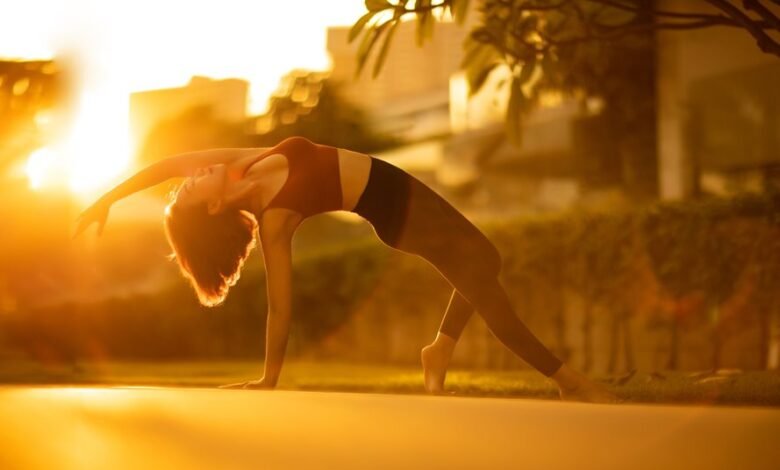
Anttavasana offers a restorative pause in a culture built on constant arousal. Lying supine with supported spine and a gently opened chest, it slows the nervous system and shifts the balance toward parasympathy. The approach emphasizes breath mapping and sensory grounding, making it accessible even on tight schedules. In a world demanding quick fixes, this practice promises a quieter baseline—yet its full potential remains to be explored, cautiously, through steady, practical application.
What Anttavasana Is and Why It Matters
Anttavasana, a restorative pose rooted in subtle mindfulness, involves lying flat on the back with the spine supported and the chest gently open to cultivate breath awareness. It centers mindful breathing and sensory grounding, inviting calm somatic cues. By reducing effort and increasing present-mear, practitioners notice body signals, release tension, and foster clarity. Evidence suggests accessible, frequent practice supports stress resilience and attentional balance.
The Nervous System Reset You Get on the Mat
The nervous system often finds a pause button in Anttavasana, where gentle, supported rest signals the body to downshift from sympathetic arousal toward parasympathetic calm.
This practice hints at a two word ideas: nervous system, reset duration, as the mind settles and breath lengthens.
Observed effects include reduced reactivity and clearer decision-making, offering accessible, evidence-informed cues for freedom-seeking practitioners.
Practical Anttavasana Techniques for Busy Lives
For practitioners pressed by time, Anttavasana can still offer meaningful rest without lengthy sessions, as evidence-informed approaches emphasize quality over duration. In practical routines, the technique centers on brief, focused holds and conscious breath cues integrated between tasks. Time saving tweaks include chair-supported pose, micro-rest pauses, and postural resets, enabling consistent practice without disruption yet preserving restorative intent and psychological ease.
How Anttavasana Supports Safer, More Resilient Practice
Curiously, how does Anttavasana contribute to safety and resilience in practice?
It supports safer sequencing by slowing transitions, guiding breath mapping, and reducing abrupt load shifts between poses. This fosters calm resilience as practitioners notice biomechanical cues and adjust prior to overload.
Evidence suggests mindful rest promotes nervous system regulation, improving balance, proprioception, and sustainable, fearless exploration of challenging postures.
Frequently Asked Questions
Can Anttavasana Be Practiced With Injuries?
Anttavasana can be practiced with injuries, provided cautious approaches are used. It supports recovery without pain through gentle, controlled poses and injury aware adaptations, guided by evidence and individual comfort, fostering accessible, curious exploration toward healing and freedom.
How Long Should a Session Last for Beginners?
A beginners’ session should last about 10 to 20 minutes, gradually extending as comfort grows. The practice supports restorative focus and mental clarity, with curiosity guiding technique; evidence-based pacing offers accessible guidance for individuals seeking freedom.
Is Anttavasana Safe for All Age Groups?
Anttavasana safety varies; it is not universally safe for all ages. Experts emphasize gradual progression, individual health, and supervision. Age considerations matter: consult a professional, respect limits, and adjust intensity to accommodate developmental and medical differences in participants.
Which Breath Patterns Best Accompany the Pose?
Breath patterns best accompanying the pose favor calm, slow inhalations and exhalations, with deliberate pauses to settle. Breath pacing guides depth, while synchronization cues align movement and breath, supporting safety, focus, and an experience of freedom during practice.
How Often Should I Practice to See Benefits?
“Time is a quiet river,” notes the observer. The practice frequency varies by individual, but consistent, moderate sessions yield clearer progress indicators and gradual benefits; it prioritizes sustainable consistency over intensity to honor personal freedom and evidence.
Conclusion
Anttavasana offers a practical, evidence-informed pause in a fast-paced world, translating nervous-system science into accessible on-mat relief. One striking stat from related research shows that brief, regular relaxation practices can lower perceived stress by up to 30% within weeks, reshaping daily resilience. The pose’s supine support, mindful breath, and gentle chest openness reframe tension as data to be observed, not fought. In this light, Anttavasana becomes a scalable, safer foundation for sustainable practice and daily balance.