Introduction to Metal Bending Equipment
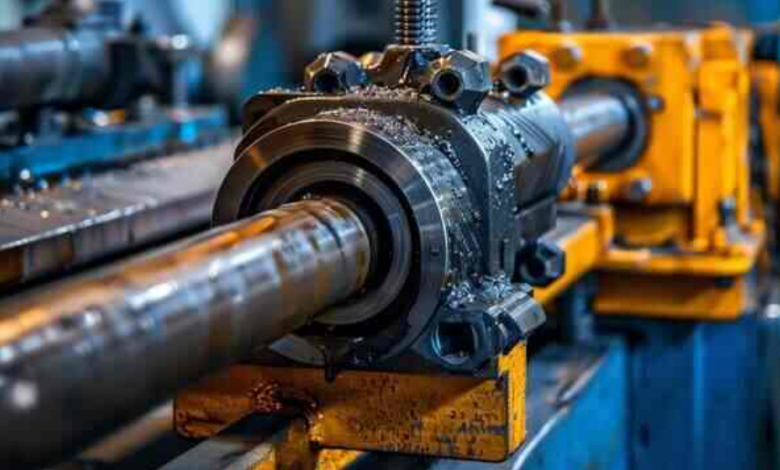
Metal bending is a critical operation in modern manufacturing. Accurate bends ensure structural integrity, proper assembly, and high-quality finished components. Industries ranging from automotive to construction rely heavily on precision equipment to meet production standards. Understanding the market and the companies that supply these machines helps businesses make informed decisions.
The Role of High-Quality Bending Machines
A reliable bending machine enhances productivity and reduces waste. Properly designed equipment ensures consistent angles and maintains the strength of materials. It also reduces the need for rework, minimizes scrap, and allows for greater production flexibility. Choosing the right manufacturer is as important as selecting the correct machine.
Innovations in Modern Bending Technology
Advancements in machinery have transformed metal forming. CNC controls allow for precise programming of bending sequences, angles, and positions. Hydraulic, electric, and hybrid drives provide the power and speed required for different metals and thicknesses. Integration with digital platforms enables workflow optimization and process monitoring.
Industry-Leading Manufacturers
Several companies stand out for providing top-tier bending equipment. These manufacturers are recognized for quality, innovation, and global service:
- Manufacturer A: Known for its hydraulic systems and CNC integration, this company offers machines capable of precise bends across a range of materials. Their equipment is popular in automotive and aerospace production.
- Manufacturer B: This manufacturer emphasizes energy-efficient electric drives and user-friendly interfaces. Their machines are suitable for high-volume production while maintaining accuracy and speed.
- Manufacturer C: Specializing in mechanical and hybrid drives, this company provides durable equipment for heavy-duty industrial applications. They are renowned for their reliability and long service life.
- Manufacturer D: Focused on flexibility, this company supplies machines that can handle various sheet thicknesses and complex bend sequences. Their equipment is widely used in prototype fabrication and custom projects.
- Manufacturer E: This manufacturer integrates smart technology, including digital program storage and predictive maintenance, ensuring minimal downtime and improved efficiency.
- Manufacturer F: Recognized for global service support, this company provides timely maintenance, replacement parts, and technical guidance, reducing interruptions in production.
- Manufacturer G: With an emphasis on compact, cost-effective solutions, this manufacturer caters to small workshops and businesses requiring high precision with limited space.
- Manufacturer H: Offering specialized tooling and customization options, this company supports complex applications and unique industrial requirements.
- Manufacturer I: Focused on high-speed production, this manufacturer provides equipment designed for repetitive, large-scale operations without sacrificing quality.
- Manufacturer J: This company is known for combining automation, durability, and innovation, consistently supplying machines that meet modern industrial needs.
Features to Consider in Manufacturers
When evaluating suppliers, several factors are crucial:
- Precision: Machines must maintain consistent angles and measurements.
- Flexibility: Ability to accommodate different materials and thicknesses.
- Automation: CNC programming and digital integration for complex tasks.
- Support and Service: Availability of maintenance, parts, and technical assistance.
- Durability: Robust construction ensures long-term performance.
Selecting a press brakes manufacturers that excels in these areas helps maintain quality and operational efficiency.
See also: Technology Shopping Experience in Modern Asia
Applications in Various Industries
Machines from leading manufacturers are used in multiple sectors:
- Automotive: Panels, chassis components, and structural brackets.
- Construction: Beams, panels, and support structures.
- Electrical fabrication: Cabinets, enclosures, and housings.
- Custom and prototype fabrication: Small batch runs and specialized parts.
Proper bending ensures parts meet exact specifications, reducing scrap and improving overall efficiency.
Economic Advantages of Quality Equipment
Investing in reliable machines offers multiple financial benefits. High-quality equipment minimizes labor costs, reduces waste, and increases throughput. Predictable performance and easy maintenance lower long-term operational costs, providing a strong return on investment.
Future Trends in Metal Bending
The bending industry is evolving with technological advancements:
- Greater automation and robotic integration.
- Energy-efficient hydraulic and electric systems.
- Smart manufacturing platforms for real-time monitoring.
- Predictive maintenance to reduce downtime.
These trends improve efficiency, accuracy, and reliability, allowing manufacturers to remain competitive in a fast-paced market.
Conclusion
Selecting the right metal bending equipment is critical for any manufacturing operation. Machines from leading suppliers provide precision, flexibility, and efficiency, supporting a wide range of industrial applications. Evaluating manufacturers based on technology, support, and durability ensures long-term productivity and profitability.
By understanding the market and choosing trusted press brakes manufacturers, businesses can achieve consistent quality while staying competitive in the evolving manufacturing landscape.