Introduction
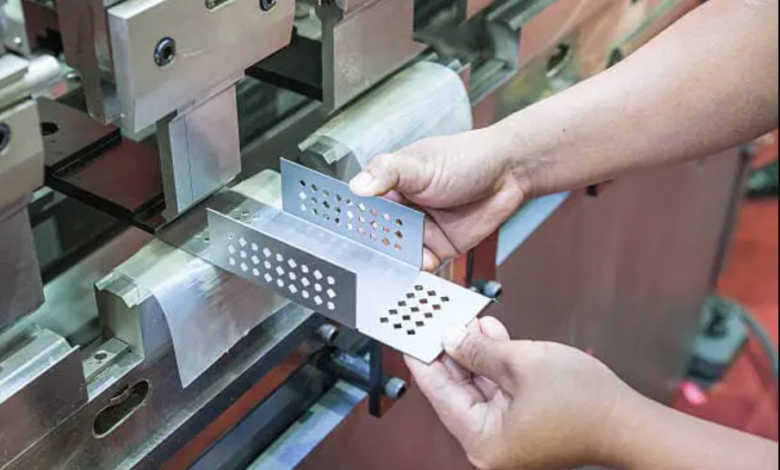
In modern metal fabrication, achieving high-quality bends without surface defects is essential. One of the key components in this process is the scratch free press brake v dies, which ensures smooth bends while preserving the integrity of the material. Understanding the applications, types, and maintenance of these dies is crucial for any fabrication workshop aiming to improve efficiency and product quality.
Role of V Dies in Bending Operations
V dies are an integral part of the press brake tooling system, providing the support and contour needed for bending sheet metal. The design of the V opening determines the bend radius and angle, directly influencing the final outcome.
Scratch free press brake v dies are specially designed to minimize surface damage during bending, making them ideal for delicate or finished metal surfaces. Their smooth surfaces and precise tolerances help reduce scratches, dents, and other imperfections that may occur during conventional bending operations.
See also: Technology Shopping Experience in Modern Asia
Types of Scratch Free V Dies
Different types of v dies are available to accommodate various bending requirements:
Standard V Dies
Used for general bending tasks, these dies are suitable for most sheet metal operations where a moderate level of surface protection is required.
Wide V Dies
Wide V dies are designed for thicker materials or larger bend radii, distributing force more evenly to reduce the risk of surface marks.
Narrow V Dies
Narrow V dies are used for precise, small-radius bends where detail and accuracy are critical.
Coated or Polished Dies
These dies have additional surface treatments, such as polishing or coating, to further protect the material and extend die life.
Benefits of Scratch Free Dies
The main advantage of scratch free press brake v dies is the ability to maintain the aesthetic and functional quality of the workpiece. Other benefits include:
- Reduced material waste: Less scrap due to surface defects.
- Improved efficiency: Faster bending without the need for secondary finishing processes.
- Extended die life: Smooth surfaces reduce friction and wear.
- Consistent results: High precision in repetitive bending tasks.
Selecting the Right Die
Choosing the correct scratch free v die involves evaluating several factors:
- Material Type and Thickness – Softer materials require gentler surfaces, while harder metals may need robust, polished dies.
- Bend Angle and Radius – Determines the die profile and ensures the desired bend is achieved without surface damage.
- Machine Capacity – The press brake must provide adequate tonnage to work effectively with the selected die.
- Production Requirements – High-volume production benefits from durable and easy-to-change dies.
Proper selection helps optimize machine performance and protects both the material and the tooling.
Maintenance Practices
Maintaining scratch free press brake v dies is critical to preserving their effectiveness:
- Clean dies after every use to remove debris.
- Inspect regularly for scratches, nicks, or surface wear.
- Store dies in dedicated racks to prevent accidental damage.
- Apply protective coatings or lubricants if recommended by the manufacturer.
Routine maintenance prolongs die life and ensures consistent bending quality.
Safety Considerations
Handling these dies requires attention to safety due to their weight and the pressures involved in bending:
- Use mechanical aids for heavy dies.
- Wear protective gloves and safety footwear.
- Ensure the press brake is powered off during die installation or removal.
- Secure dies properly before starting operations.
These precautions help prevent injuries and maintain the integrity of the dies and workpieces.
Applications Across Industries
Scratch free v dies are used in various scratch free press brake v dies industries where precision and surface quality are critical:
- Automotive: Panels, brackets, and other components requiring flawless finishes.
- Aerospace: Structural parts and assemblies with tight tolerances.
- Consumer Products: Metal enclosures, appliances, and decorative items.
- Construction: Architectural elements and finished metal fixtures.
By using scratch free dies, manufacturers can reduce post-bending finishing and meet high-quality standards efficiently.
Innovations in Die Technology
Modern innovations in press brake dies improve performance, durability, and ease of use:
- Polished or coated surfaces to prevent scratches and wear.
- Quick-change die systems to reduce setup time.
- Precision-ground dies for high repeatability and accuracy.
- Laser alignment tools to ensure perfect positioning during bending.
These advancements allow manufacturers to increase productivity without compromising quality.
Conclusion
Scratch free press brake v dies are essential for maintaining high-quality metal bends while protecting the surface integrity of materials. Proper selection, maintenance, and handling of these dies ensure efficiency, safety, and consistent results.
By integrating modern technologies and maintaining rigorous standards, workshops can maximize productivity, reduce waste, and deliver finished components that meet both functional and aesthetic requirements. Investing in high-quality dies and following best practices in their use ensures long-term success in precision metal fabrication.